When the ceremony starts at 3 pm and half the guests are still trying to find parking, wedding transport stops being a small detail. Choosing the best bus for weddings is really about keeping the day on time, keeping guests together, and removing stress from a schedule that already has enough moving parts.
For most couples, planners and family organisers, the right wedding bus is not the fanciest vehicle on the road. It is the one that fits the guest count properly, suits the route, arrives on time, and gives everyone a safe and comfortable trip between venues. That could mean a minibus for immediate family, a full-size coach for guest transfers, or a mix of vehicles if the day has several pickup points.
The best bus for weddings is the one matched to your event logistics, not just your headcount. A vehicle that looks right on paper can become the wrong choice if guests have luggage, the pickup location is tight, or the run sheet includes multiple stops across Sydney or regional NSW.
Reliability matters first. Weddings run to a fixed timeline, and late arrivals affect the ceremony, photography schedule and reception entry. Professional transport with an experienced driver gives you one less thing to coordinate on the day, especially when guests are travelling from hotels, private homes, churches, gardens and reception venues.
Comfort also matters, but it should be practical comfort. Guests want clean seating, air conditioning, easy boarding and enough room to travel without feeling cramped. For longer trips, that becomes even more important, particularly for elderly relatives, bridal party members in formalwear, and guests heading to regional venues.
Then there is simplicity. If one provider can handle route planning, vehicle matching and driver coordination, the whole booking process is easier. That is often more valuable than chasing separate cars or asking guests to arrange their own transport.
A small wedding needs a different setup from a 180-person reception. That sounds obvious, but it is where many transport plans go wrong. People either book too small and create last-minute overflow issues, or book too large without thinking about access, budget or actual travel requirements.
For intimate weddings, smaller vehicles are usually the best fit. A 7-seater or an 11 to 14-seat minibus can work well for close family, the bridal party, or a single group transfer from accommodation to the venue. This option suits events where only a portion of guests need transport, or where the goal is to keep key people moving together and on time.
Smaller vehicles also make sense for tighter streets, private properties and boutique venues with limited access. If the route includes city hotels, residential pickups or narrow regional roads, a minibus may be more practical than a full coach.
For weddings with 20 to 50 guests requiring transport, a 20 to 24-seat minibus or a 30 to 48-seat bus is usually the sweet spot. These vehicles are large enough to move guests efficiently without creating unnecessary empty seats or oversized access issues.
This is a common choice for ceremony-to-reception transfers, hotel shuttles, or return services at the end of the night. It keeps the group together and reduces the usual problems with rideshares, parking and late arrivals.
If you are moving a large portion of the guest list, a 50 to 57-seat coach is often the most efficient option. For bigger weddings, a coach can be the simplest way to move everyone from a central pickup point to the venue and back again.
That said, one large coach is not always better than two smaller buses. It depends on pickup patterns and timing. If guests are split across different hotels or suburbs, multiple vehicles may create a smoother run than trying to funnel everyone to one location.
A bus may have the right number of seats and still be the wrong booking. Route planning changes everything.
If your wedding includes a straightforward hotel-to-venue transfer, the transport plan is usually simple. But many weddings involve several legs – collecting guests, moving the bridal party separately, transferring guests between ceremony and reception, and then running return trips later in the evening.
That is where it helps to think beyond passenger numbers. Ask whether the vehicle needs room for prams, whether there are elderly guests who need easy access, and whether the driver will be dealing with CBD traffic, rural roads, or a venue with limited turning space.
For regional weddings, comfort and travel time become bigger factors. Guests may be on board for an hour or more each way, and that makes coach travel a stronger option than trying to manage multiple smaller cars. For metro weddings, access and quick turnaround times can be more important than extra onboard space.
Every wedding budget has limits, and transport is one area where people often try to cut back. Sometimes that works. Sometimes it creates more expense and more stress later.
If only a handful of people need help getting to the venue, a smaller minibus is usually the best-value solution. If most guests are travelling from one place, a larger bus often works out better than reimbursing taxis or dealing with late arrivals. The value comes from fewer moving parts, not just the hire rate.
There is also a risk in underbooking. Saving money with one smaller vehicle may mean multiple trips, longer waiting times, or some guests making their own way. That can affect punctuality and change the feel of the day. A wedding should feel coordinated, not pieced together.
On the other hand, overbooking capacity is not always sensible either. If you only need a family transfer and book a large coach, you may be paying for space you do not use. The best approach is to match the vehicle to the actual transport task, not to book on guesswork.
For many wedding enquiries, this is the real question. A minibus is ideal when the group is smaller, the route is tighter, or the day involves more flexible movement. It is practical, cost-effective and easier for short local transfers.
A coach is usually better when the group is larger, the distance is longer, or guest comfort needs are higher. It also suits formal guest transport where everyone is travelling together and timing needs to be tightly managed.
If you are unsure, think about the day in three parts: who needs transport, where they are being collected from, and how long they will be on the road. Those answers usually point to the right vehicle type quickly.
The best results come from booking early and providing clear trip details. Wedding transport is not just about reserving a vehicle. It is about building a workable plan.
Have your expected passenger numbers ready, along with venue addresses, pickup times, and whether you need one-way, return or multi-stop service. It also helps to note any special requirements, such as luggage, mobility needs, or separate transport for the bridal party.
Be realistic with timing. Guests take time to board, city traffic can shift quickly, and venue access is not always immediate. Building a sensible buffer into the run sheet is one of the easiest ways to protect the day.
A quote-based charter service is especially useful here because it allows the transport plan to match the wedding instead of forcing the wedding into a fixed package. For Sydney weddings and broader NSW travel, that flexibility can make a real difference when venues, guest numbers and schedules vary.
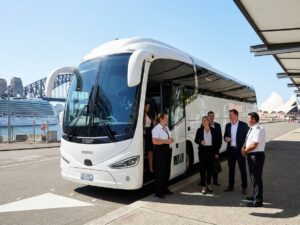
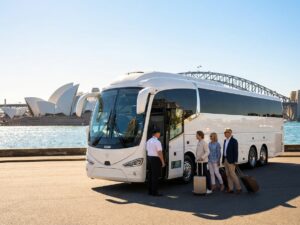
Foxbus, for example, offers vehicle options from small people movers through to luxury coaches, which makes it easier to match the booking to the actual event rather than defaulting to one bus size for every job.
If you are choosing between options, start with the problem you are trying to solve. Are you moving all guests from one hotel? Are you helping family avoid parking and navigation? Are you running late-night return transport so guests get back safely? The best bus for weddings is the one that solves that problem clearly, affordably and without adding complexity.
A good booking should feel straightforward from the start. You should know who is being moved, when they are travelling, and why that vehicle is the right fit. When those basics are covered, wedding transport becomes one of the easiest parts of the day rather than one more thing to chase.
The right bus does not need to be extravagant. It just needs to be reliable, comfortable and suited to your wedding from the first pickup to the final drop-off.


Hire the Right Bus for the Right Occasion
